
By Larissa Braz Sousa
I still remember the first time I saw a Rain Moth in South Australia. There are plenty of big moths in Brazil, my home country, but that Rain Moth felt different. It was heavier. It looked like a sparrow at first glance. I contemplated that huge moth for over an hour – it wouldn’t leave my arm where it had landed so peacefully in a wet autumn evening of April. That was the beginning of my appreciation for Aussie moths.

Photo: Rain Moth, provided by Larissa Braz Sousa
This moth encounter happened during a ‘Moth Night’, a citizen science event that engages the community to observe, photograph and document local moth species. By sharing these observations on iNaturalist, we can contribute to scientific research, helping researchers understand moths distribution and ecological relationships.
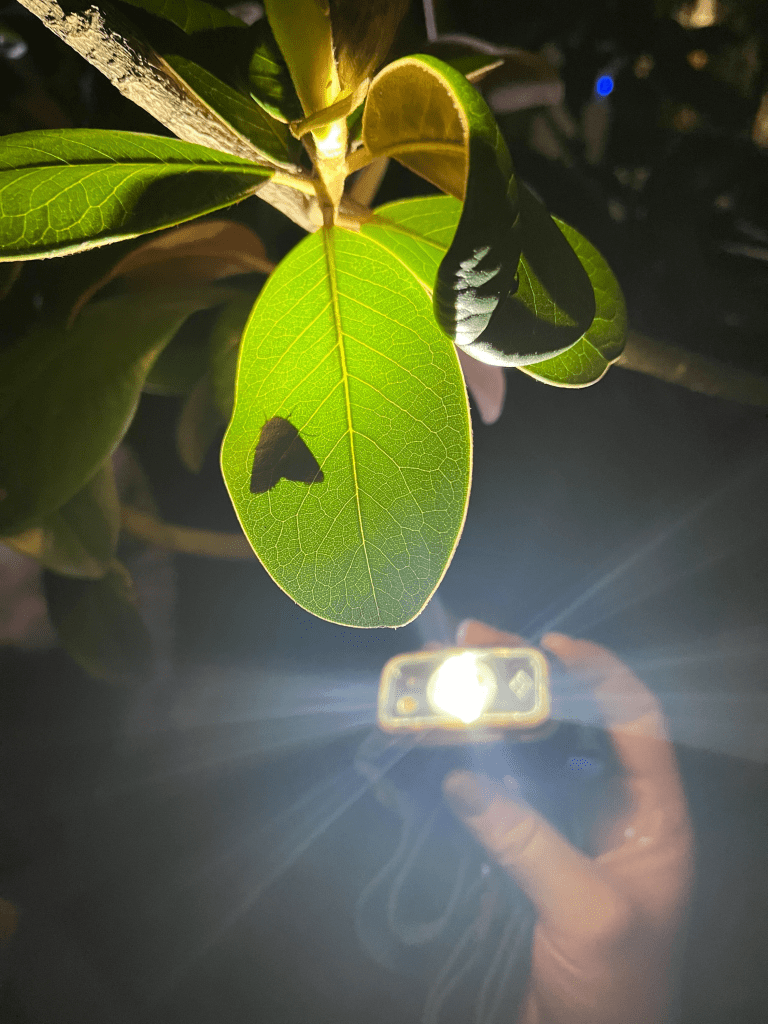
On the 21st of September 2024, we gathered at the University of Sydney, in the courtyard of the Chemistry building, to run our first Moth Night in NSW. Organised by the Learning by Doing team, as part of the Great Southern BioBlitz, we welcomed 51 attendees eager to learn about moth biodiversity and contribute to the citizen science platform iNaturalist. As the sun went down, we started attracting invertebrates using an inexpensive setup made of white tablecloths and UV lights. While we waited for the moths, the stars of the evening, to arrive, our two special guests shared some interesting insights about moths’ biology.

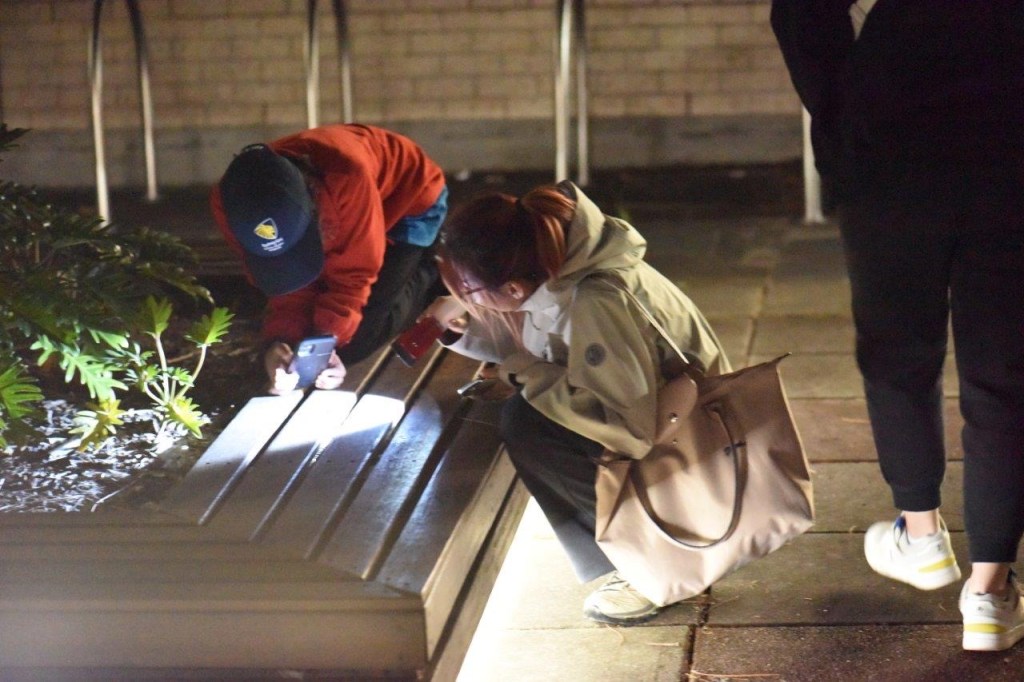


Photos provided by the Learning by Doing team.
Dr Caitlyn Forster, a Lecturer in Entomology at Usyd and superstar of STEM, shared how to differentiate moths from butterflies, identify the most common moths around the Greater Sydney area, and protect them. Moths and butterflies differ primarily in their appearance and behaviour: moths typically have thicker, feathery antennae, tend to be nocturnal, and rest with their wings flat against their body, while butterflies have slender, clubbed antennae, are usually active during the day, and rest with their wings closed above their body. Moths also tend to have duller, more camouflaged colours, while butterflies often display bright, vivid patterns. However, there are exceptions, with some species of moths being diurnal (active during the day) and certain butterflies active nocturnally (at night).
‘Moth Night was such a great opportunity to check out many insects that would otherwise go unnoticed. Doing participatory science in public spaces was a cool way to for us all to be gobsmacked by the diversity of insects in a smallish, urban courtyard.’ – Dr Forster.
Tahira Kale, an honours student from the School of Life and Environmental Sciences, then talked to us about the ecological associations of moths in urban settings and how using a citizen science platform like iNaturalist can benefit everyone. iNaturalist allows citizen scientists and researchers to collect and share biodiversity data, providing valuable insights into species distribution, population trends, and environmental changes over time. The platform also helps identify and track rare or invasive species, supporting conservation efforts and informing policy decisions on ecosystem management.

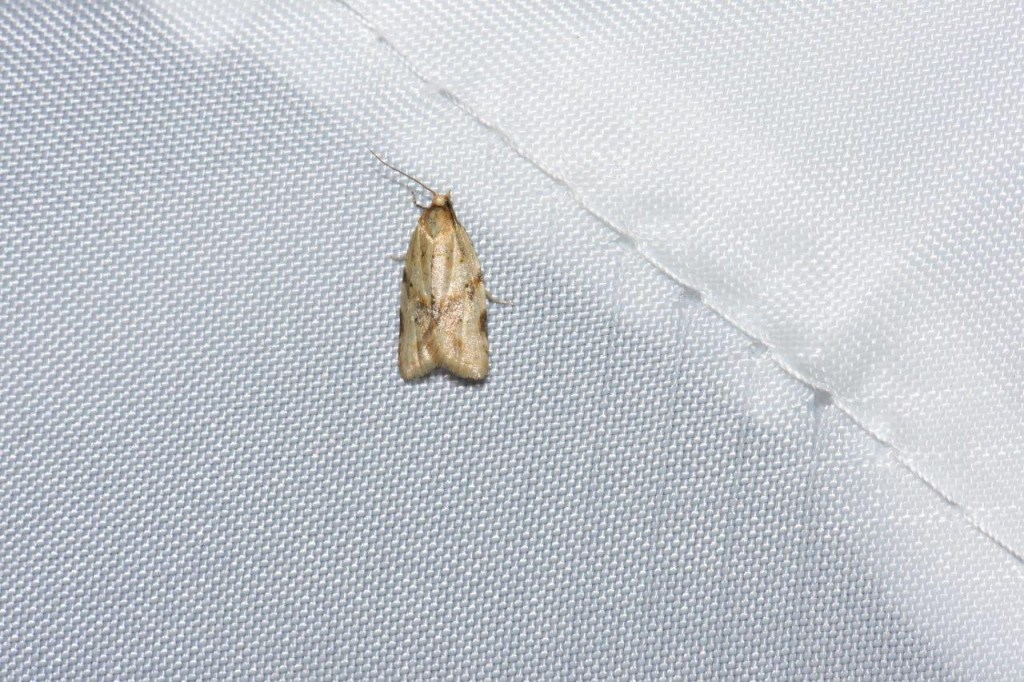

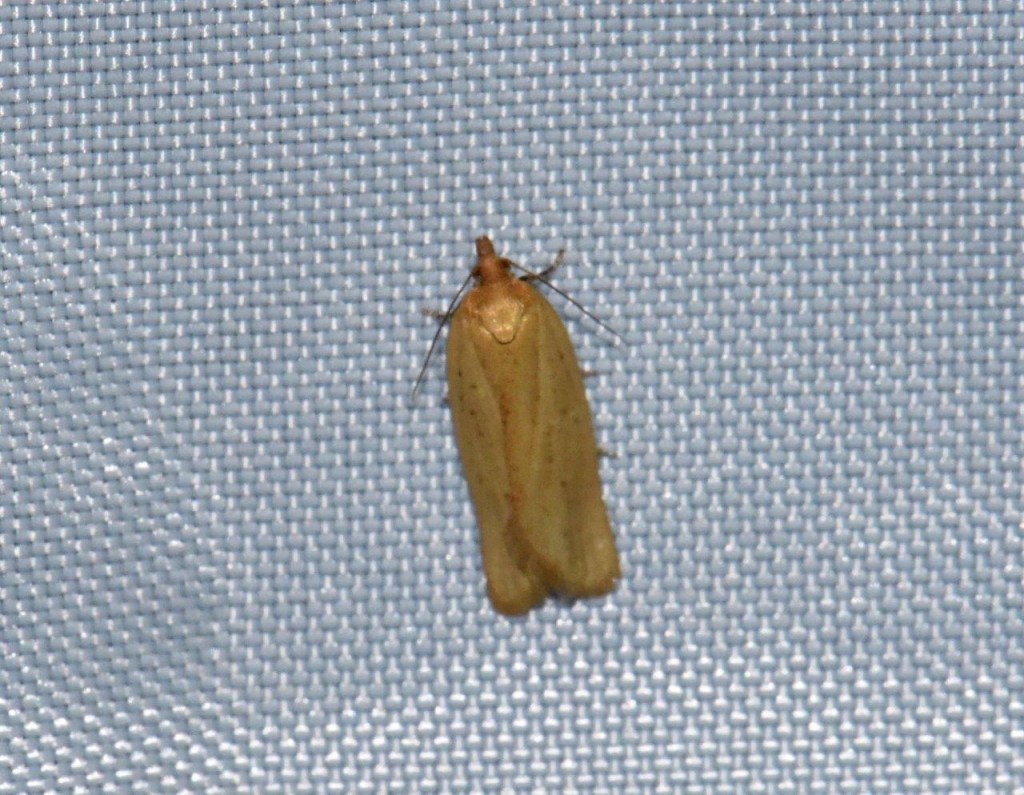
Photos provided by the Learning by Doing team.
After the two talks, we started observing a fascinating diversity of moths spread around five moth tents in the courtyard. We observed tiny and medium species with feathery antennae and diverse patterns. Attendees were captivated by the diversity of invertebrates and the utility of iNaturalist in sharing relevant data and contributing to scientific discoveries, all while learning about species ID in the process. We observed at least 14 different species of moths that night, as well as ladybugs, beetles, lacewings, bees, mozzies, spiders and even a visiting butterfly.

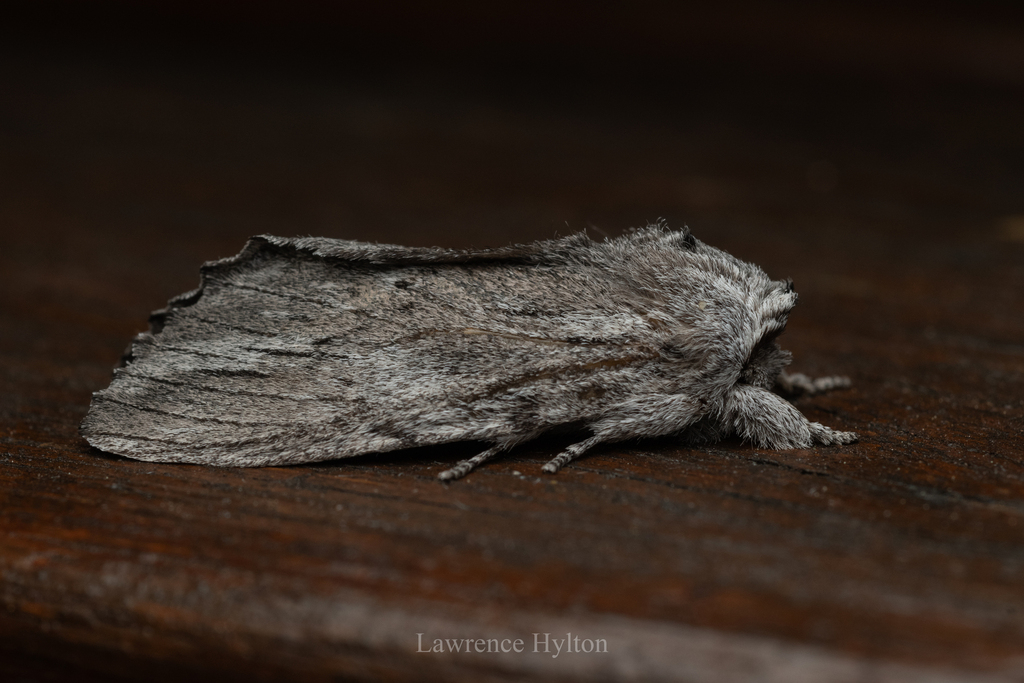

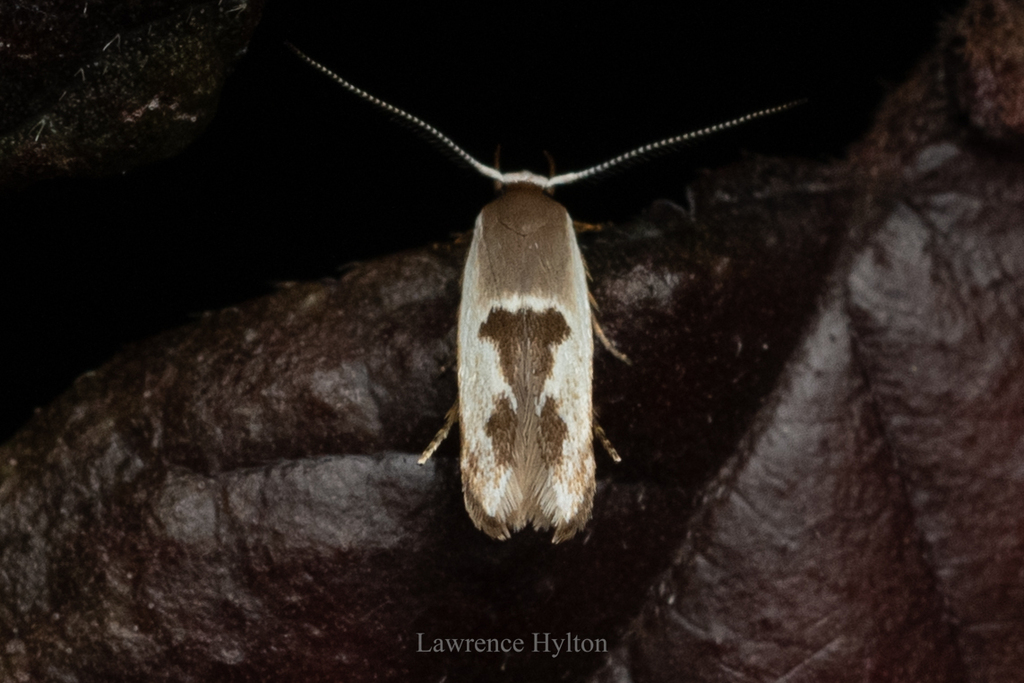
Photos provided by (c) Lawrence Hylton, some rights reserved (CC BY).
‘I loved how groups of people who had just met were helping each other out in the identification of insects and iNaturalist tech support. We really don’t get many opportunities in our busy lives to sit down and chat about insects and the nature around us, and I hope it gave people a chance to realise how easy it is to observe nature, as long as we can find the time!’ Dr Forster
Events like this remind us of the importance of making science more accessible. Sometimes, all it takes is one encounter – like my moment with the Rain Moth – to change how we see those often overlooked species. These opportunities highlight our importance as citizen scientists in species monitoring and care, and spread scientific appreciation more widely.
If you want to participate in citizen science projects, or bring these projects to your school, please contact us. We’d love to help you get started!
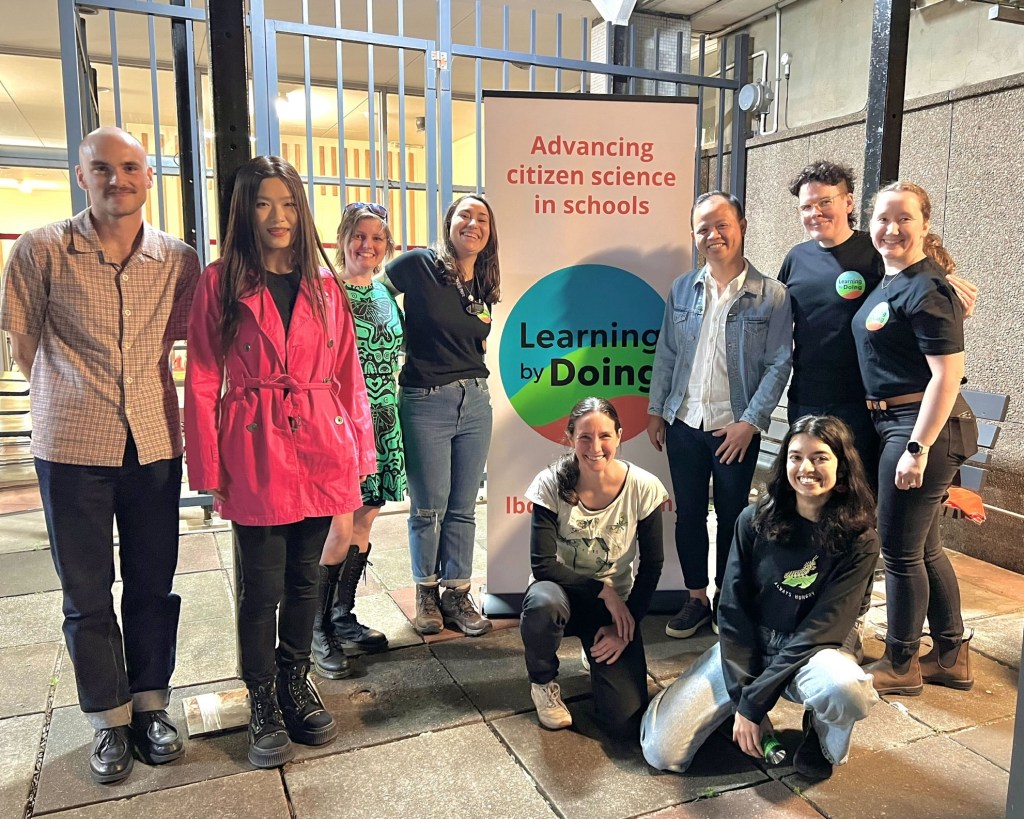
Moth Night Team, from left to right: Nicholas Kennedy, Victoria Zhang, Caitlyn Forster, Larissa Braz Sousa, Hung Duong, Alice Motion, and Gen Firmer. Front row: Fran Van Den Berg and Tahira Kale.
 Learning By Doing