
Check our adaptable lesson plans available here
Bioblitzes involve short periods of intense biological surveying, aiming to record as many species as possible in a specific area, using the global citizen science platform iNaturalist.

These initiatives serve as powerful tools for scientific discovery by providing researchers with an intensive snapshot of the species present in a given location. Additionally, bioblitzes engage the broader community in citizen science, fostering a sense of environmental stewardship and promoting a deeper understanding of local ecosystems.
Bioblitzes generate valuable information for conservation efforts and strengthen community connections with nature, ultimately enhancing awareness and appreciation for biodiversity.
We designed lesson plans to develop skills for species observation, identification and reporting. In this project, primary school students will actively collect data for local and global bioblitz initiatives, including ‘Australian Pollinator Count’, ‘Aussie Bird Count’, the ‘City Nature Challenge’, and the ‘Great Southern BioBlitz’.
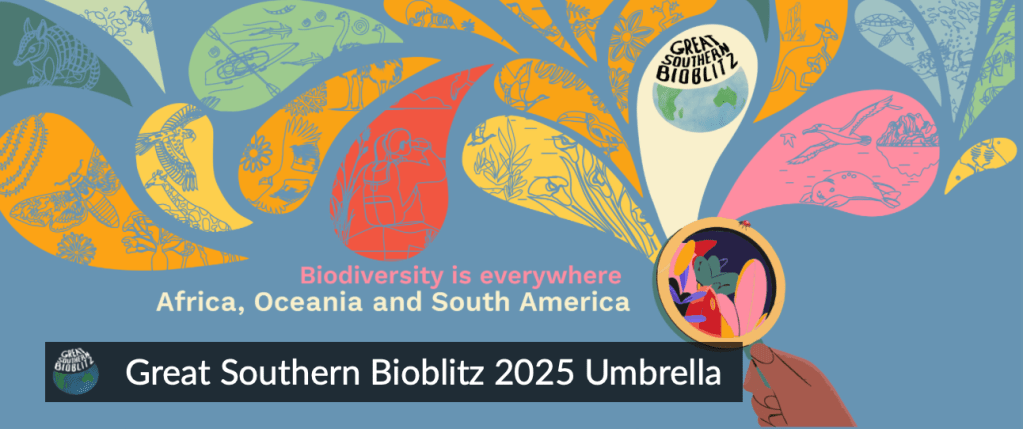
Great Southern BioBlitz in Schools: Engage with Global Biodiversity
Great Southern BioBlitz (24-27 October 2025)
Warm-up and follow-up (20-31 October 2025)
This initiative offers a unique opportunity for students and teachers to connect with nature, contribute to global biodiversity research, and engage with the iNaturalist community through an exciting Bioblitz challenge.
Event Overview
The Great Southern BioBlitz in Schools encourages students to explore and document the biodiversity within their school grounds. These observations contribute to the Atlas of Living Australia, supporting scientists and researchers in understanding the diverse species that inhabit our unique ecosystems. By participating, students become part of a global effort to monitor and protect biodiversity, gaining hands-on experience in scientific observation. The two weeks of activities involve:
- The ‘bioblitz warm-up’, where students will develop skills to observe and upload biodiversity photos or sounds to iNaturalist.
- Participation in the global event, the Great Southern BioBlitz, 24-27 October 2025.
- Post-event analysis, including species identification.
Importance of Bioblitz and Citizen Science
Bioblitz events are intensive surveys of biodiversity in a specific area over a short period. They contribute to:
- Educational Value -> They provide immersive learning experiences that deepen students’ understanding of their local environment and global biodiversity.
- Biodiversity Documentation -> They help catalog species, contributing to national and international conservation efforts.
- Global Community Engagement -> They encourage students to participate in worldwide scientific research, fostering a sense of responsibility for the environment.
Event Details
Aligned with the goals of the Great Southern BioBlitz, this challenge invites students of all ages to take part in biodiversity monitoring. During this event, students will:
- Develop their observation and identification skills.
- Gain insights into local and global species diversity.
- Contribute valuable data to a global biodiversity database.
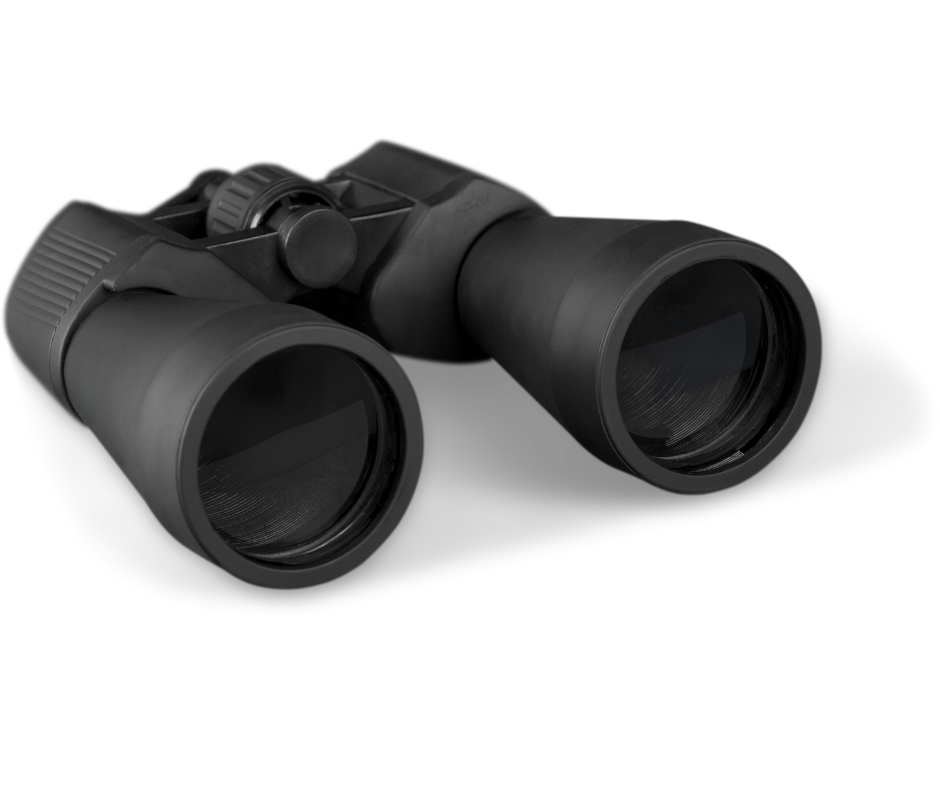

The school with the most contributions will be recognised with a selection of prizes, awarded by the Learning By Doing team, including Australian nature guides, field equipment like binoculars and macro lenses, and resources to enhance future biodiversity studies.
Resources and Support
To ensure a successful and rewarding experience, we provide comprehensive support for teachers, including free training on how to use iNaturalist and a detailed BioBlitz lesson plan. Participation in the Great Southern BioBlitz in Schools is completely free of charge.
BioBlitz and the Australian Curriculum
Citizen science bioblitz projects align with a range of topic and outcomes described in the Australian Curriculum, including:
- ACSSU044: Living things can be grouped based on observable features and can be distinguished from non-living things.
- ACSSU072: Living things have life cycles.
- ACSSU073: Living things depend on each other and the environment to survive.
- ACSSU043: Living things have structural features and adaptations that help them to survive in their environment.
- ACSSU094: The interdependence of plants and animals in ecosystems.
- ACSSU116: Classification helps organise the diverse group of organisms
Science Inquiry Skills, Planning and Conducting: - Following a procedure to design an experimental or field investigation
- Discussing methods chosen with other students, and refining methods accordingly
- Considering which investigation methods are most suited to answer a particular question or solve a problem
How to Participate
Please click here to register your school.
You can also sign up for a teacher training session on using iNaturalist for biodiversity monitoring, available from October 1st to 10th.
We will create a dedicated project page for your school on iNaturalist as part of our overarching BioBlitz project. Students can engage with local biodiversity by observing and recording species in and around the school. They can participate for as little as 10 minutes or extend their observation period to 1 hour. Photos and sound recordings can be uploaded to iNaturalist, with adaptable lesson plans available here.

